

Our Story
We built what we kept wishing existed.
After years of working alongside people with disability, their families and support teams, we kept seeing the same gap. Support was available, but finding the right support, the right person, the right fit and the right approach, wasn’t always easy.
We saw how much of a difference it made when someone had a support worker who genuinely understood them, took the time to build trust and could work alongside the wider team.
LightHAUS Partners grew from that gap. We wanted to create support that feels considered and connected from the beginning, matching people with support workers who fit not just their needs, but who they are and the life they want to build.
Why we started
We’ve seen the difference a great support worker can make. We’ve also seen what happens when someone is sent into a person’s home knowing little more than their name, address and shift time.
Qualifications and experience matter, but they’re only part of it. Good support also comes from knowing the person, preparing the worker and thinking carefully about whether the two are actually a good fit.
We thought support could be done differently. So we built Lighthaus that way.
Who we are

Ashmita
Occupational Therapist, Co-founder
Ash brings a warm, person‑centred perspective to Lighthaus Partners, shaped by years of working alongside people with support needs across home, community, and hospital settings. She believes that great support isn’t just about completing tasks, it’s about understanding the individual, their preferences, interests, routines and capacity.
As an OT, Ash has developed a strong understanding of everyday support needs, including how people use equipment, what helps build capacity over time, and how the right environment and support worker can make daily activities safer, easier, and more meaningful. This insight guides Lighthaus' matching process, ensuring participants are paired with support workers whose personality, skills, experience and approach genuinely align with what each person needs to thrive.
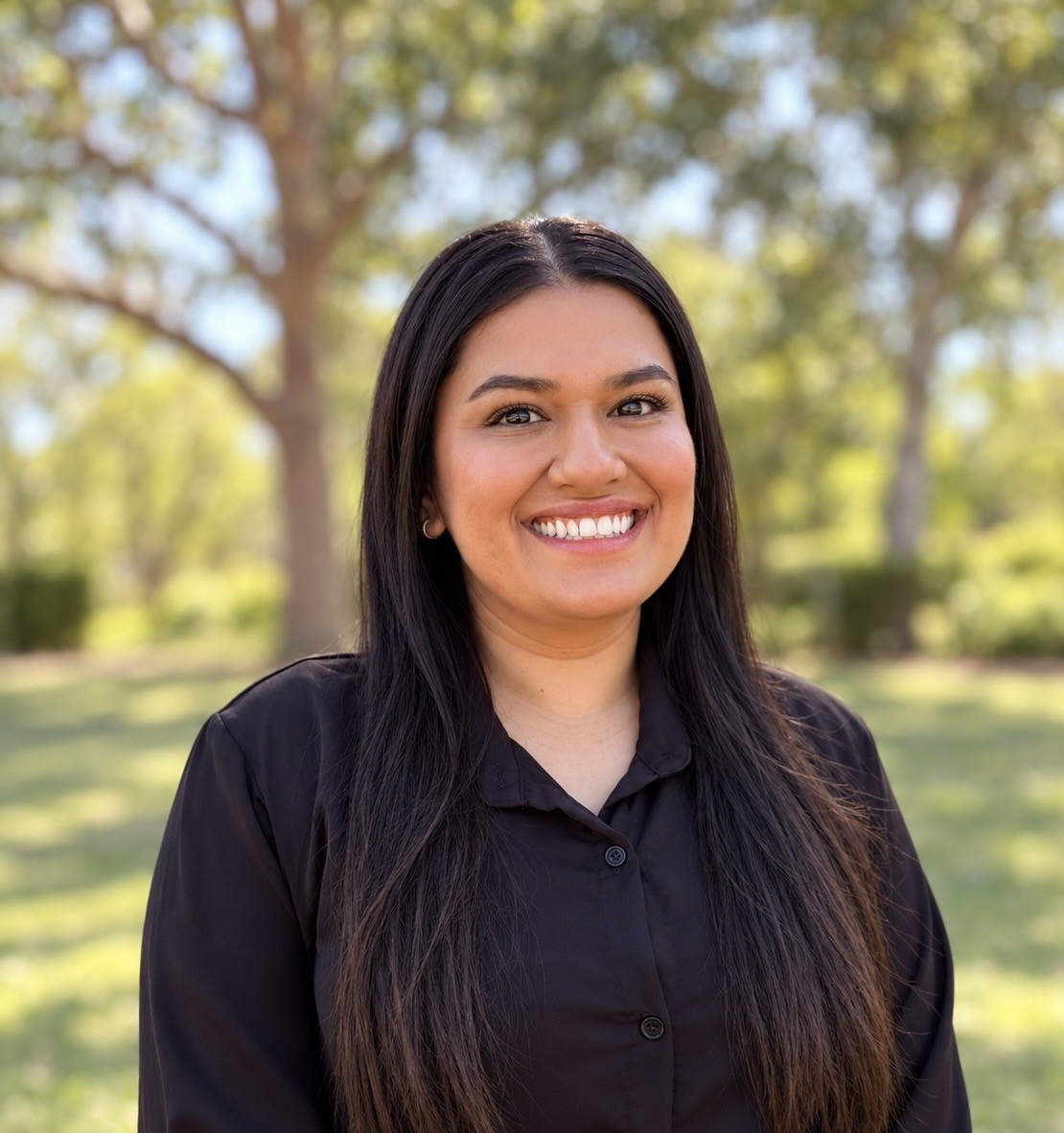
Asra
Psychologist and Specialist Behaviour Support Practitioner, Co-founder
Asra has worked alongside people with disability, families and support teams across a range of settings. Her background in psychology and behaviour support brings an understanding of behaviour, communication, relationships and the different ways people experience and respond to the world around them.
At Lighthaus Partners, Asra brings that lens to getting to know the person, understanding what matters to them and preparing workers to support them well. She believes behaviour makes sense in context, and good support starts with curiosity rather than assumptions.
For Asra, good support is about finding the right fit, building genuine relationships and helping people feel safe, understood and supported in ways that work for them.
To be clear about what this means
Our support workers provide support work, not therapy. Our clinical backgrounds shape how we think about support, how we match people and how we prepare our workers. It doesn’t mean your support becomes clinical.
what matters to us
Our values

Alongside, Not Taking Over
Support should give you more control, not less. We step in where you want us and step back where you don’t.

Know Your Stuff
Good intentions matter, but so does knowledge. Our workers come prepared, understand the support they’re providing and keep learning.

Be human
Relationships matter. We value warmth, honesty, reliability and genuine connection, while respecting that everyone communicates and connects differently.

A good life, your way
A good life doesn’t have a checklist. Quiet or busy, familiar or new, independent or supported, we focus on what makes life meaningful to you.
How it works
Finding the right support shouldn’t be complicated.
We take the time to get to know you, understand what you’re looking for and find a worker who feels like the right fit. We won’t rush the match just to fill a shift.
1
You get in touch
You can contact us yourself, or a family member, support coordinator or someone else can make a referral with you.
2
We get to know you
We’ll have a conversation about you, what matters to you, the support you want and what you’re looking for in a worker.
3
We find your match
We look for someone who fits what you’re looking for, considering things like personality, communication, interests, preferences, experience and support needs.
4
You meet them
Where possible, you’ll have the chance to meet your worker before regular support starts. Meeting someone doesn’t mean you have to say yes.
5
Worker is prepared
Your worker starts with the information they need to support you well, rather than walking in knowing nothing about you.
6
Support starts
We sort the service agreement, your worker begins already knowing what matters to you, and we check in early to make sure the match is working.
What we look at when matching
A good match is about more than experience or availability. It’s about finding someone who feels right for you.